

glass partition with sliding door
Understanding Metal Ground Anchors Essential Tools for Stability and Security Metal ground anchors, often referred to as earth anchors or tie-downs, are vital components in ensuring the stability and security of various structures and installations. They are widely used in construction, agriculture, and outdoor recreational activities to provide essential support against wind forces, soil erosion, and other environmental challenges. One of the primary purposes of metal ground anchors is to hold structures securely in place. In construction, they are critical for anchoring temporary structures, scaffolding, and heavy equipment. For instance, when erecting a tent for a festival or event, metal anchors can provide the necessary stability to withstand strong winds and adverse weather conditions. This prevents tents from being uprooted or damaged, ensuring the safety of both the structure and the individuals attending the event. In agricultural settings, metal ground anchors are instrumental in securing fencing and other installations . Farmers often use them to stabilize livestock enclosures, protecting animals from escaping or external threats. Additionally, these anchors are beneficial for attaching tarps or coverings for crops, helping to shield plants from harsh weather and securing them against theft. metal ground anchors The design and material of metal ground anchors vary widely, depending on their intended use. Common materials include steel and galvanized steel, known for their durability and resistance to rust and corrosion. Some anchors are designed with a helical shape, allowing for easy installation by screwing them into the ground, while others might require a more traditional installation method, such as driving them into the soil. Installation is a critical aspect of using metal ground anchors. Proper placement and depth will significantly influence their effectiveness. It is essential to assess the soil condition and environmental factors before installation. For loose or sandy soil, deeper anchoring may be necessary, while more compact soil types may require less depth. In conclusion, metal ground anchors are indispensable tools that provide stability and security across many applications. Whether in construction, agriculture, or outdoor events, their proper usage ensures the longevity and safety of various structures. Understanding their importance and best practices for installation can help maximize their effectiveness, making them a worthwhile investment for anyone looking to secure their property against unpredictable elements.
about
glass partition with sliding door
Understanding Tapering Gauges A Comprehensive Overview Tapering gauges are essential tools in various industries, particularly in manufacturing and engineering, where the precise dimensions of components are crucial. These gauges are specifically designed to measure the taper of cylindrical objects, enabling professionals to determine the fit and functionality of parts that require a certain degree of taper for optimal performance. In this article, we will delve into the purpose, types, applications, and significance of tapering gauges. What are Tapering Gauges? Tapering gauges, also known as tapered measuring tools, are instruments used to measure the angle and extent of tapering on a workpiece. Tapering refers to the gradual narrowing of an object, which is often seen in shafts, pipes, and other cylindrical components. The measurement provided by a taper gauge helps ensure that parts fit together correctly and function as intended within mechanical systems. These gauges can come in various forms, designed to accommodate different taper angles and sizes. Commonly, taper gauges may consist of a series of tapered blocks or thin plates that increase in thickness. Users can determine the taper by inserting the gauge into the tapered section of the workpiece to find where a snug fit occurs. Types of Tapering Gauges There are several types of tapering gauges available, each suited for specific applications 1. Plain Taper Gauges These are the most basic form. They contain a series of known taper angles that allow users to measure the angle of the taper on their workpiece and ascertain its acceptability based on industry standards. 2. Tapered Plug Gauges These gauges feature a tapered design that allows them to fit snugly into a hole or a recess. They are particularly useful for checking the internal taper of a bore or socket. 3. Adjustable Taper Gauges These are versatile tools that enable users to modify the taper angle as needed. They are beneficial for applications that require a range of taper measurements without needing multiple gauges. tapering gauges 4. Digital Taper Gauges With advancements in technology, digital taper gauges have emerged, offering precise measurements with electronic readouts. These provide ease of use and increased accuracy, making them a favorite among professionals. Applications of Tapering Gauges The applications of tapering gauges are widespread. In the manufacturing industry, they are used for - Quality Control Ensuring that components meet specified tolerances and standards for tapered surfaces, crucial for parts like fittings, valves, and pipes, where a proper fit is essential for function and safety. - Assembly During assembly processes, tapering gauges help in verifying that parts align correctly. This is especially important in industries such as automotive and aerospace, where precise engineering is critical. - Tool Making In tool-making workshops, taper gauges assist in the production of custom tools requiring specific tapering for performance, such as drill bits and taps. - Maintenance Maintenance personnel use tapering gauges to check the wear on components and assess whether they need replacement or repair. The Significance of Tapering Gauges The importance of tapering gauges cannot be overstated. They play a pivotal role in maintaining quality and efficiency in manufacturing processes. Accurate measurements lead to better fitting components, reducing the risk of malfunctions and improving overall system performance. Moreover, utilizing tapering gauges can minimize waste and rework, contributing positively to productivity and cost-effectiveness. In conclusion, tapering gauges are indispensable tools in various applications. Their specialized designs and various types accommodate the diverse needs of different industries. By ensuring accurate measurements and proper fits, tapering gauges significantly enhance the functionality of mechanical systems and contribute to the overall quality of manufactured products. As technology advances, these tools continue to evolve, promising even greater precision and usability for professionals in engineering and manufacturing sectors.
-

High quality industrial productsagement

High quality industrial products
View Details -

Meet the diverse needs of customers

Meet the diverse needs of customers
View Details -

Strict quality control

Strict quality control
View Details -

Top raw materials

Top raw materials
View Details -

Trusted supplier

Trusted supplier
View Details
Our application
news and information
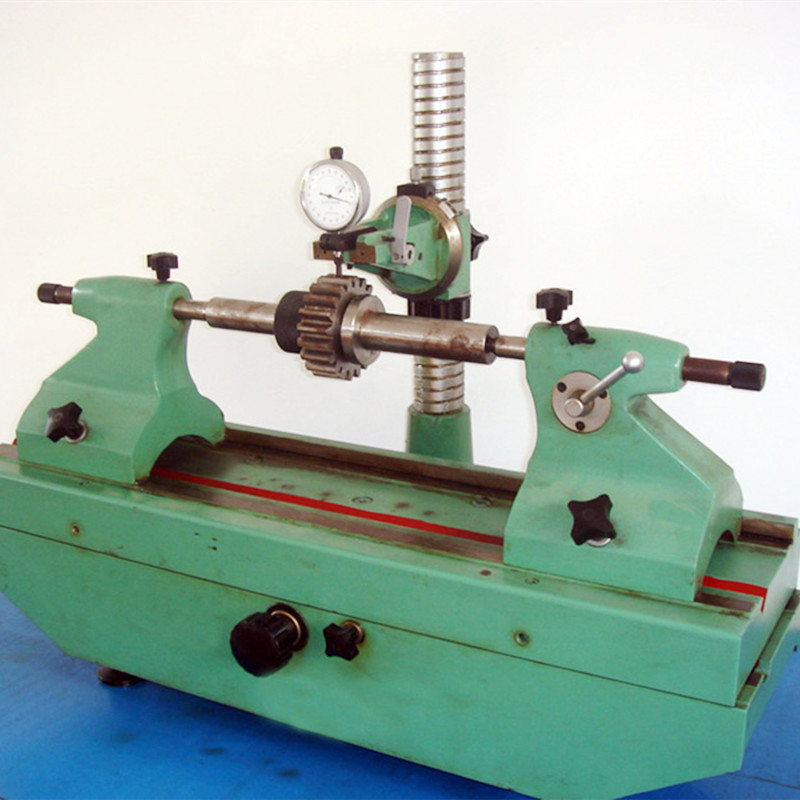
Water Hose Shutoff Valve for Easy Control and Efficient Watering Solutions
The Importance of a Water Hose Shut-Off Valve A Garden Essential In the world of gardening and outdo
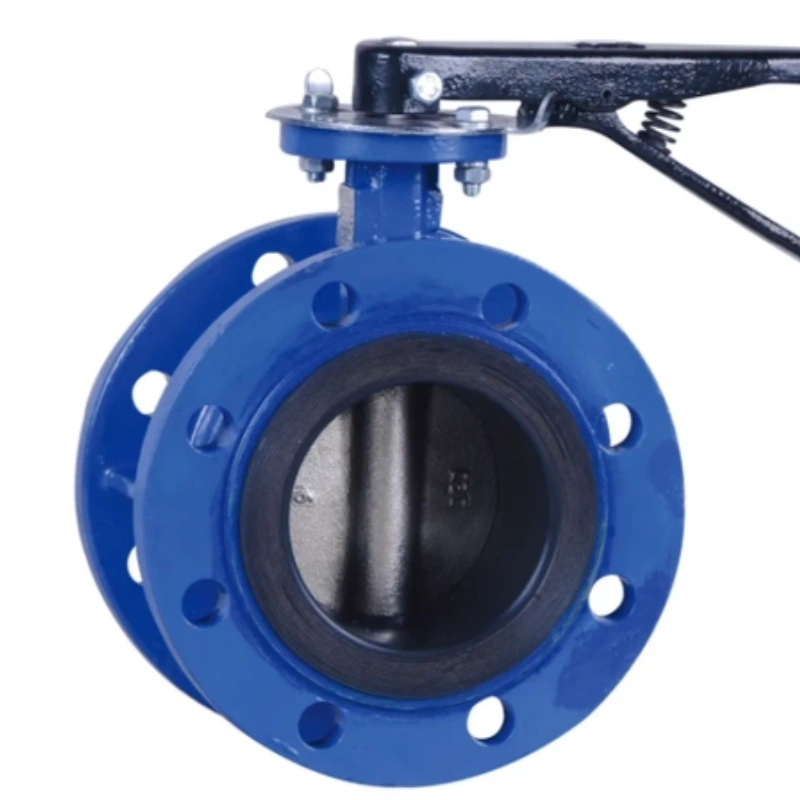
Water Meter Shutoff Valve Installation and Maintenance Guide
Understanding Water Meter Shut-Off Valves Importance and Functionality Water meter shut-off valves a
Using Thread Ring Gauges for Accurate Measurement and Quality Control in Manufacturing Processes
The Importance of Thread Ring Gauges in Quality Assurance In the world of manufacturing and engineer
 English